Cultural Competency in Medicine: Bridging Turkey and Texas
By drvadmin
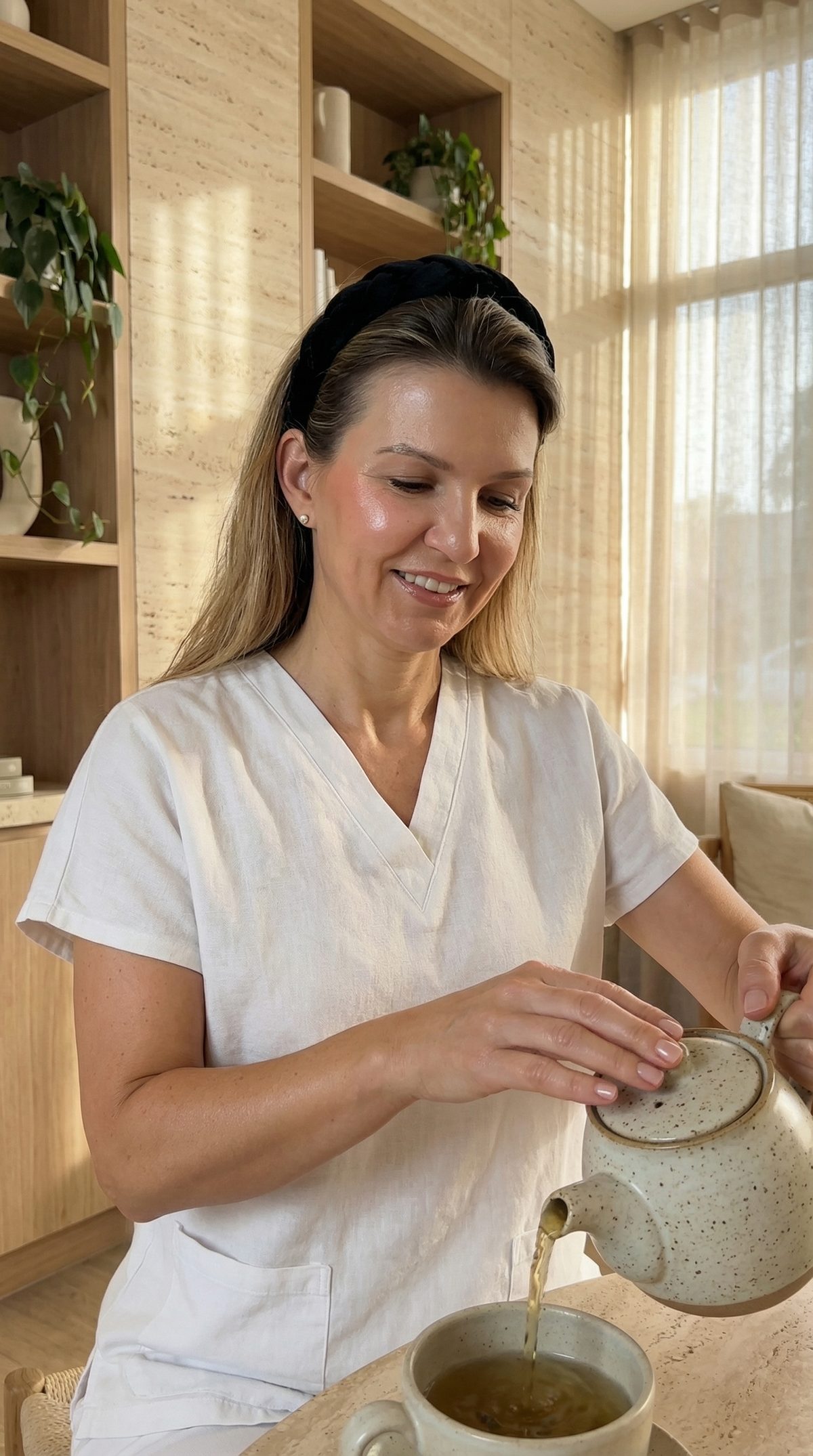
Finding a healthcare provider who understands not just your symptoms but also your background, values, and way of life can transform the medical experience from a transaction into a partnership. For Turkish immigrants and Turkish-American families living in Sugar Land, Texas, this connection is vital. Cultural competency in medicine is the practice of delivering healthcare that respects and responds to the unique cultural and linguistic needs of patients. When a physician understands the nuances of Turkish family dynamics, dietary traditions, and health beliefs, the result is higher trust, better communication, and improved health outcomes.
Dr. Vuslat Muslu Erdem, known to her patients as Dr. V, brings this essential perspective to her practice at Kelsey-Seybold Clinic. Having earned her medical degree in Bursa, Turkey, and completed her residency in the United States, she bridges two worlds. She understands the specific challenges faced by patients navigating the American healthcare system while holding onto their heritage.
Understanding the Core of Cultural Competency
The landscape of healthcare is shifting. As populations become increasingly diverse, the one-size-fits-all approach to medicine is no longer sufficient. Cultural competency in medicine refers to the ability of providers and organizations to deliver healthcare services that meet the social, cultural, and linguistic needs of patients. Research consistently shows that when healthcare professionals demonstrate cultural competence, patients are more likely to trust their providers, communicate openly, and follow through with recommended care.
For the Turkish community, these dynamics are particularly relevant. Turkish culture places a high value on family involvement in decision-making, modesty, and specific dietary practices rooted in both tradition and faith. A provider unaware of these values might inadvertently cause discomfort or confusion. By integrating cultural competency in medicine into daily practice, physicians can bridge these gaps, ensuring that care is both clinically sound and culturally resonant.
The Language of Symptoms: Beyond Translation
Speaking the same language is the first step, but true understanding goes deeper. In Turkish culture, idioms and specific phrasing are often used to describe pain and discomfort in ways that do not translate directly into English medical terminology.
A patient might describe a sensation of “burning” or “heaviness” that carries a specific cultural connotation regarding stress or emotional burden. A non-Turkish-speaking provider might interpret this strictly as a physical symptom, perhaps cardiac or gastrointestinal, potentially ordering unnecessary testing while missing the underlying psychosocial stressor.
A culturally competent physician can interpret these cues accurately. When a patient explains their history using the terminology they grew up with, the physician and patient save valuable time and reach an accurate diagnosis faster. This linguistic bridge builds immediate rapport, allowing the visit to focus on solutions rather than struggling with definitions.
Key Cultural Factors in Treating Turkish Patients
Diet, Nutrition, and Hospitality
The Turkish diet is rich, varied, and deeply social. Hospitality is a cornerstone of the culture, often expressed through offering tea, pastries, and generous portions of food. Declining food can be seen as rude, and social gatherings almost always revolve around eating.
For patients managing conditions like diabetes, hypertension, or high cholesterol, navigating these social obligations can be difficult. Standard American dietary advice — “cut carbs” or “eat dinner early” — might not account for the late-night dining culture or the prominence of bread and rice in Turkish cuisine.
A culturally competent approach works differently. Rather than giving generic advice that feels impossible to follow, Dr. V works with patients on realistic modifications. She can discuss how to manage blood sugar during Ramadan iftar without dangerous spikes, or how to modify traditional recipes to be heart-healthy without losing their soul. This tailored approach is far more effective than rigid restrictions that ignore the patient’s lifestyle.
Religious Observances and Medical Care
For many in the Turkish community, faith plays a central role in daily life and health decisions. Fasting during Ramadan is a significant consideration for patients with chronic conditions. Adjusting medication schedules (chronotherapy) to align with fasting hours prevents hypoglycemia or other complications. Concepts of modesty and privacy are also paramount. Many patients prefer specific accommodations during physical examinations. Understanding these sensitivities is a medical necessity, ensuring the patient feels safe enough to undergo necessary screenings.
Family Dynamics in Healthcare Decision-Making
In the American medical model, individual autonomy is the default. The doctor speaks to the patient, and the patient makes the decision. In Turkish culture, however, illness is often a family matter. Decisions regarding surgery, serious diagnoses, or long-term care frequently involve spouses, children, and elders.
Navigating this in the US requires balancing strict HIPAA privacy laws with the cultural expectation of family involvement. Dr. V can facilitate these conversations, ensuring that the patient’s privacy is protected legally while welcoming the support system that is so important for recovery and adherence to care.
Practical Steps for Turkish-American Patients
Navigating the healthcare system in a new country can be daunting. Here are actionable steps Turkish-speaking patients in Houston can take to advocate for their health:
Be proactive about sharing your cultural context. Do not assume your doctor knows about your dietary habits, use of traditional remedies, or religious practices. Bring a list of any herbal teas, supplements, or home remedies you use, as these can interact with prescribed medications. Explain your family’s role in healthcare decisions so your provider can include them appropriately.
Communicate your values early. At your first visit, you might say: “I am Turkish and it is important for me to consider how fasting during Ramadan might affect my diabetes management.” This opens a critical dialogue.
Ask questions until you fully understand. In the US healthcare system, patient autonomy is emphasized, and you are encouraged to be an active participant. If a recommendation feels culturally incompatible, speak up. A good physician will work with you to find a middle ground — for example, adjusting a medication schedule that conflicts with prayer times.
Leverage community resources. Kelsey-Seybold and other organizations in the Greater Houston area offer resources tailored to diverse populations. Engaging with community health educators who understand the Turkish-American experience can provide additional support.
Building a Strong Therapeutic Alliance
The relationship between a patient and a doctor is the foundation of good health. For Turkish immigrants, this alliance is strengthened when the provider acknowledges the stress of acculturation. Moving to a new country involves significant life changes that can impact mental and physical health. Health is holistic, encompassing emotional well-being and social stability.
Dr. V approaches every patient with an awareness of these potential stressors. She recognizes that validating the challenges of living between two cultures is a powerful therapeutic tool that encourages patients to stay engaged in their care journey.
Building this alliance also means respecting modesty and privacy preferences. Ensuring that examinations are conducted with appropriate draping, offering accommodations when desired, and maintaining strict confidentiality are small but significant gestures that build trust. When patients feel their dignity is protected, they are more likely to return for follow-up visits and preventive screenings.
Why Choose a Culturally Competent Provider in Sugar Land?
Dr. Vuslat Muslu Erdem brings a unique blend of expertise to her practice at Kelsey-Seybold Clinic. With her medical training from Uludag University in Turkey and her residency at Albert Einstein College of Medicine in New York, she possesses a dual perspective that few providers can offer. She is board-certified in Internal Medicine and focuses on managing chronic illnesses such as diabetes and hypertension, treating infectious diseases, and providing comprehensive preventive care.
Her approach is rooted in the belief that effective medicine requires understanding the whole person — their history, their culture, and their hopes for the future. Her commitment to quality improvement has been recognized with awards during her residency, but beyond accolades, it is her dedication to listening and adapting that sets her apart.
Your health is your most valuable asset, and you deserve a care team that respects your identity. Taking charge of your health does not mean leaving your culture at the door. With cultural competency in medicine, you can receive top-tier medical care that honors who you are.
Location: Kelsey-Seybold Clinic — Fort Bend Campus
11555 University Blvd., Sugar Land, TX 77478
Phone: (713) 442-9100
Virtual visits and in-person consultations are available to accommodate your schedule and comfort level.
—
Medical Disclaimer: This article is for informational purposes only and does not constitute medical advice. Always consult with a qualified healthcare provider for personalized medical guidance. To schedule an appointment with Dr. Vuslat Muslu Erdem, call (713) 442-9100.