Finding a Turkish Speaking Doctor in Houston: Your Complete Guide
By drvadmin

Navigating the complex landscape of healthcare in a sprawling metropolis like Houston can be overwhelming, but doing so while facing a language barrier adds a significant layer of stress and uncertainty.
For many Turkish expatriates, students, and long-term residents in Texas, effectively communicating subtle medical symptoms in English is a profound challenge. Medical terminology is inherently complex, and the nuances of physical or emotional discomfort are often deeply tied to one's native language. When patients cannot fully articulate how they feel, or when they misunderstand a physician's instructions due to language constraints, it can lead to misdiagnoses, medication errors, and a general sense of alienation from the healthcare system. The anxiety of potentially misunderstanding a critical health directive often prevents individuals from seeking the preventative care they desperately need.
This comprehensive guide is designed to highlight the immense benefits of finding a Turkish speaking doctor in Houston. We will explore the critical importance of bilingual and culturally sensitive healthcare, delve into the essential medical services you should expect from a qualified internal medicine physician, and provide actionable advice on how to choose the right healthcare provider for your unique needs. Whether you are looking for routine preventative care, management of a chronic condition, or specialized immigration health screenings, this guide will empower you to take control of your health journey with confidence.
The Critical Role of Language in Quality Healthcare
When it comes to safeguarding your health, clear, unambiguous communication is not merely a convenience—it is a fundamental necessity. Finding a Turkish speaking doctor in Houston can fundamentally transform your entire medical experience. The intricacies of medical terminology are daunting even for native English speakers, and introducing a language barrier significantly amplifies the risk of miscommunication. Patients frequently struggle to translate specific, culturally ingrained descriptions of symptoms into a second language. For example, common Turkish expressions used to describe physical ailments like 'üşütmek' (catching a cold/chill) or 'çarpıntı' (palpitations/heart fluttering) carry specific connotations that might be lost or misinterpreted in direct English translation. By partnering with a bilingual physician, you eliminate this perilous middleman of translation, allowing you to articulate your health concerns comfortably, accurately, and comprehensively in your mother tongue.
Moreover, direct, unfiltered communication fosters a profoundly deeper level of trust, empathy, and rapport between you and your healthcare provider. When you share a language with your doctor, the clinical environment immediately feels less intimidating. You are significantly more likely to ask clarifying questions, voice underlying anxieties, and actively participate in formulating your treatment plan. This collaborative, patient-centered approach is widely recognized as a cornerstone of effective, high-quality medical care. A shared language ensures that critical instructions regarding medication dosages, lifestyle modifications, and follow-up care are understood with absolute crystal clarity, thereby drastically improving patient compliance and overall health outcomes. It is always recommended to speak with your healthcare provider directly to ensure all your questions are answered clearly.
Furthermore, the psychological comfort of speaking Turkish in a medical setting cannot be overstated. Medical visits often occur during times of physical vulnerability and emotional stress. The cognitive load required to translate thoughts into English while simultaneously processing complex medical information can be exhausting. A Turkish-speaking environment instantly alleviates this cognitive burden, allowing the patient to focus entirely on their healing and well-being. This sense of linguistic familiarity creates a safe space where patients feel truly heard, respected, and validated, which is a critical component of holistic healing.
- Significantly reduced risk of medical misdiagnosis due to language barriers.
- Increased patient compliance with complex treatment plans and medication regimens.
- Lowered anxiety and stress levels during medical consultations and examinations.
- Enhanced accuracy in describing subtle or complex physical and emotional symptoms.
- Greater patient empowerment and active participation in healthcare decisions.
The Limitations of Medical Interpreters
While professional medical interpreters play a vital role in the broader healthcare system, utilizing a third party introduces an inevitable layer of separation between the patient and the physician. The natural flow of conversation is constantly interrupted, making it difficult to establish a warm, empathetic connection. Interpreters, despite their training, may occasionally miss the subtle emotional undertones or cultural context of a patient's statement. Furthermore, relying on family members—especially children—to translate medical information is highly discouraged. It places an unfair emotional burden on the relative, compromises patient privacy, and significantly increases the risk of inaccurate translation of complex medical terminology. Direct, one-on-one communication with a Turkish speaking doctor in Houston ensures that your medical narrative remains intact, private, and accurately understood without the filter of a third party.
Nuances of Turkish Medical Terminology
The Turkish language is rich with idiomatic expressions relating to health and well-being that do not have direct English equivalents. An American doctor might struggle to understand the exact nature of a patient's complaint if it is rooted in traditional Turkish concepts of illness. A Turkish-speaking internal medicine physician possesses the linguistic agility to instantly decipher these cultural expressions. They understand the difference between a minor ache and a deeply concerning pain as expressed in Turkish phrasing. This linguistic intuition allows the doctor to ask highly targeted follow-up questions, leading to a much faster and more accurate clinical assessment. This seamless understanding prevents unnecessary diagnostic testing and ensures that the patient receives the most appropriate, timely care possible.

Cultural Competence: Going Beyond the Language Barrier
While sharing a common language is undeniably crucial, true excellence in healthcare requires an equally deep commitment to cultural competence. A Turkish speaking doctor in Houston offers far more than just translation; they provide care that is intimately informed by an understanding of Turkish culture, traditions, and societal norms. Cultural competence in medicine means recognizing that a patient's cultural background heavily influences their health behaviors, dietary habits, perception of illness, and expectations from the healthcare system. When a physician inherently understands these cultural drivers, they can tailor their medical advice to be not only scientifically sound but also culturally realistic and highly acceptable to the patient.
For instance, dietary habits are a cornerstone of health management, particularly for chronic conditions like diabetes, hypertension, and hyperlipidemia. A Turkish physician is intimately familiar with the staples of the Turkish and Mediterranean diets. Instead of offering generic, culturally disconnected dietary advice—such as completely eliminating beloved traditional foods—they can provide nuanced, practical guidance. They might suggest healthier preparation methods for classic dishes, appropriate portion control for specific cultural meals, or culturally relevant substitutions. This approach makes dietary modifications feel achievable rather than punitive, significantly increasing the likelihood of long-term success. Always consult your doctor to create a dietary plan that aligns with your specific medical needs.
Additionally, cultural competence extends to understanding the dynamics of the Turkish family structure and how it intersects with medical decision-making. In Turkish culture, illness is often viewed as a family event rather than an isolated individual experience. Family members are frequently deeply involved in caregiving and treatment discussions. A culturally competent physician welcomes this familial involvement, recognizing it as a powerful support system rather than an intrusion. They know how to effectively communicate with the extended family, address their collective concerns, and integrate them into the patient's care plan, ensuring a unified and supportive environment for the patient's recovery.
- Personalized dietary guidance that respects and incorporates traditional Turkish cuisine.
- Understanding and integration of Turkish family dynamics in medical decision-making.
- Respectful navigation of religious practices, such as fasting, and their medical implications.
- Awareness of common cultural health beliefs and traditional remedies.
- Development of treatment plans that are culturally realistic and sustainable.
Navigating Dietary Habits and Health
The traditional Turkish diet, rich in olive oil, fresh vegetables, legumes, and lean proteins, offers numerous cardiovascular benefits. However, it also includes carbohydrate-heavy elements like breads, pastries, and sugar-laden desserts which can complicate the management of conditions like type 2 diabetes or obesity. A culturally aware physician does not simply hand the patient a standard American dietary pamphlet. Instead, they engage in a meaningful dialogue about the patient's specific eating habits. They can provide highly actionable advice on how to enjoy traditional meals responsibly, perhaps by modifying recipes to reduce sodium or refined sugars, thereby seamlessly integrating essential medical advice with the patient's cultural lifestyle.
Understanding Traditional Health Beliefs
Every culture harbors unique traditional beliefs regarding the causes of illness and the efficacy of various remedies. Turkish culture is no exception, with many individuals utilizing herbal teas, traditional practices, or specific dietary regimens alongside, or sometimes instead of, conventional medicine. A culturally competent Turkish physician approaches these beliefs with deep respect and open-mindedness rather than immediate dismissal. They create a safe, non-judgmental space where patients feel comfortable disclosing their use of traditional remedies. This transparency is crucial, as the physician must ensure that these traditional practices do not adversely interact with prescribed medications or hinder the overall treatment strategy. They can gently guide the patient toward evidence-based medicine while honoring their cultural heritage.

Essential Services Offered by a Turkish-Speaking Internist
When searching for a Turkish speaking doctor in Houston, it is vital to understand the comprehensive scope of practice offered by an Internal Medicine physician (an Internist). Internists are highly trained specialists who focus exclusively on adult medicine. They are equipped to handle a vast spectrum of health issues, ranging from routine preventative care to the diagnosis and management of complex, multi-system diseases. Having an internist as your primary care provider ensures that you have a central medical expert coordinating all aspects of your health, acting as your primary advocate and guide through the medical system. To learn more about the specific medical treatments available, you are invited to explore our comprehensive healthcare services.
Preventative care is the absolute foundation of internal medicine. A proactive approach to health can prevent the onset of chronic diseases or catch them in their earliest, most treatable stages. Your Turkish-speaking internist will conduct thorough annual physical examinations, meticulously review your personal and family medical history, and recommend age- and gender-appropriate health screenings. These may include lipid panels for cholesterol, blood glucose testing for diabetes, bone density scans for osteoporosis, and vital cancer screenings. Furthermore, they will ensure you are up-to-date on all essential adult vaccinations. By focusing on preventative strategies tailored to your specific risk profile, your physician helps you maintain optimal health and vitality for years to come.
In addition to preventative care, internists are the premier experts in managing chronic medical conditions. Diseases such as hypertension (high blood pressure), type 2 diabetes, asthma, thyroid disorders, and heart disease require ongoing, vigilant management. A bilingual physician can clearly explain the underlying mechanisms of your condition, the rationale behind specific medication choices, and the critical importance of necessary lifestyle modifications. Furthermore, many Turkish-speaking clinics in Houston offer specialized services that cater directly to the needs of the international community, such as official immigration health medical exams (required by USCIS) and comprehensive travel medicine consultations for those planning extended trips back to Turkey or other global destinations.
- Comprehensive annual physical exams and preventative health screenings.
- Expert management of chronic diseases like diabetes, hypertension, and thyroid issues.
- Official USCIS immigration medical examinations for green card applicants.
- Specialized travel medicine consultations, including necessary vaccinations.
- Coordination of care and referrals to trusted medical specialists when needed.
Preventative Care and Chronic Disease Management
The management of chronic disease is an ongoing journey that requires a strong, communicative partnership between doctor and patient. Conditions like diabetes or high cholesterol often present with no immediate symptoms, making education and adherence to treatment protocols vital. A Turkish-speaking internist takes the necessary time to educate you about your condition in a language you fully comprehend. They will work collaboratively with you to set realistic health goals, regularly monitor your progress through targeted laboratory testing, and seamlessly adjust your treatment plan as needed. This proactive, highly communicative approach minimizes the risk of severe complications and significantly enhances your overall quality of life. Speak with your healthcare provider to establish a personalized chronic care management plan.
Specialized Services: Immigration and Travel Medicine
For Turkish expatriates navigating the US immigration system, undergoing a mandatory medical examination by a USCIS-designated civil surgeon is a critical step. Finding a Turkish-speaking civil surgeon in Houston drastically reduces the anxiety associated with this high-stakes process. They can clearly explain the required vaccinations, blood tests, and paperwork in your native language, ensuring strict compliance with all government regulations. Additionally, for those traveling internationally, a bilingual internist provides tailored travel medicine services. They offer expert advice on disease prevention, prescribe necessary prophylactic medications (such as anti-malarials), and administer essential travel vaccines, ensuring you remain safe and healthy during your global travels.

Navigating the Complex US Healthcare System
Relocating from Turkey to the United States introduces one to a healthcare system that is fundamentally and structurally different. The Turkish healthcare system, heavily centralized around the SGK (Sosyal Güvenlik Kurumu), operates on very different principles than the highly privatized, complex, and often fragmented system in the US. For newcomers, understanding the dizzying array of health insurance terminologies—such as deductibles, co-payments, co-insurance, in-network versus out-of-network providers, and prior authorizations—can be a source of profound confusion and financial anxiety. A Turkish speaking doctor in Houston, along with their bilingual administrative staff, can serve as an invaluable cultural and systemic bridge, helping patients navigate these complex administrative waters.
One of the most significant differences is the role of the Primary Care Physician (PCP) as the central coordinator of your health. In the US, your PCP (often an Internist) is your first point of contact for any non-emergency medical issue. Depending on your specific health insurance plan (such as an HMO), you may actually be required to obtain an official referral from your PCP before you are allowed to consult with a specialist, like a cardiologist or an endocrinologist. Understanding this gatekeeper system is crucial for accessing timely and covered medical care. A bilingual clinic can clearly explain these specific structural nuances, ensuring you follow the correct protocols to maximize your insurance benefits and avoid unexpected, exorbitant medical bills.
Furthermore, the approach to prescription medications, pharmacy networks, and preventative care coverage varies wildly between the two countries. The Affordable Care Act (ACA) mandates that many preventative services—such as annual physicals and certain screenings—are covered entirely by insurance without any out-of-pocket cost to the patient. However, understanding exactly which services qualify can be confusing. A knowledgeable, Turkish-speaking medical team will proactively educate you about your rights and benefits within the US system. They act as your dedicated medical advocates, empowering you to confidently utilize the healthcare system to its fullest potential rather than avoiding it due to systemic confusion. For more helpful articles on health and wellness, please visit our medical blog.
- Clear, Turkish-language explanations of complex US health insurance terminologies.
- Guidance on the crucial role of the Primary Care Physician and the specialist referral process.
- Assistance with understanding prescription medication management and pharmacy protocols.
- Education on navigating preventative care benefits to avoid unnecessary out-of-pocket costs.
- Advocacy and support in interacting with insurance companies and the broader medical infrastructure.
Differences Between US and Turkish Healthcare
In Turkey, patients are accustomed to a system where they can often directly access specialists at state or private hospitals with relative ease and low out-of-pocket costs. The US system requires a much more deliberate, orchestrated approach to care coordination. Transitioning to this model requires a significant paradigm shift. A bilingual physician helps manage these expectations, meticulously explaining why certain procedures require prior authorization from insurance companies, why wait times for non-urgent specialist appointments might be longer, and how to effectively navigate medical billing. This deep systemic education is vital for preventing frustration and ensuring that Turkish patients receive seamless, uninterrupted medical care in their new country.
Advocacy and Patient Education
A superior healthcare provider does much more than write prescriptions; they act as a staunch advocate for their patients' overall well-being. A Turkish-speaking clinic inherently recognizes the unique vulnerabilities faced by immigrants and expatriates navigating a foreign medical system. By providing comprehensive patient education in Turkish, the clinic empowers individuals to become active, informed self-advocates. When patients fully understand their health insurance coverage, their specific medical rights, and the standard protocols of the US medical system, they are significantly better equipped to make sound, confident decisions regarding their healthcare trajectory, leading to better long-term health and financial stability.
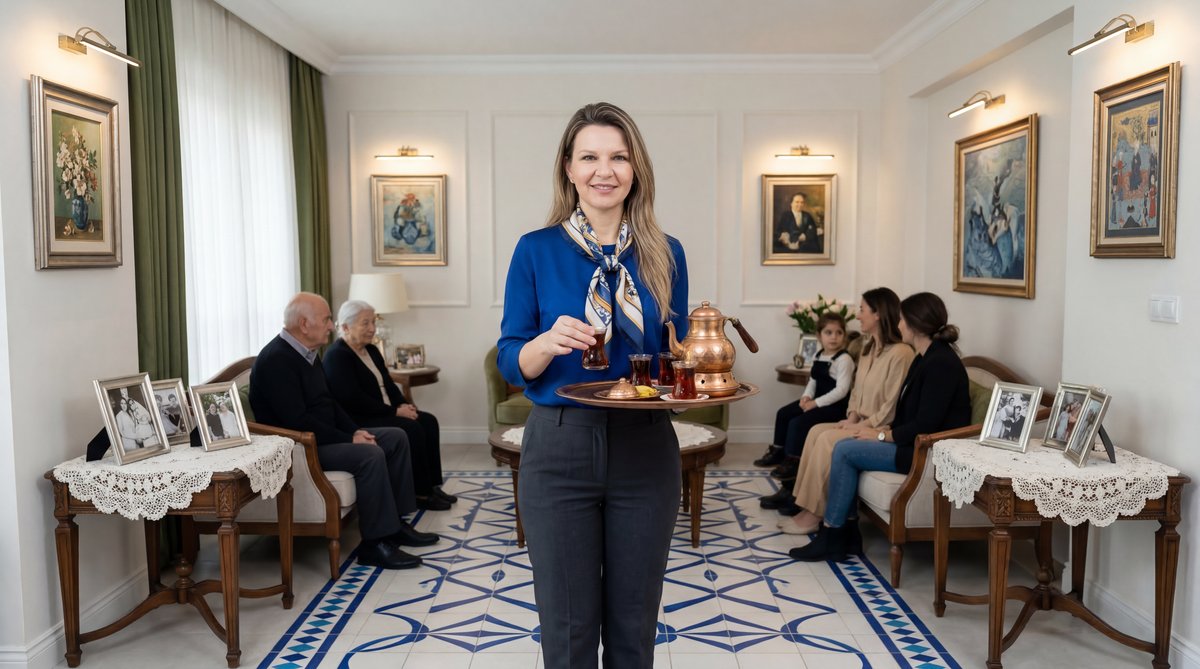
How to Choose the Right Turkish-Speaking Doctor in Houston
Houston is a globally recognized hub for medical excellence, boasting the world-renowned Texas Medical Center. While this guarantees access to top-tier facilities, it also means patients have an overwhelming number of choices. When specifically searching for a Turkish speaking doctor in Houston, it is crucial to employ rigorous criteria to ensure you are selecting a highly qualified, deeply trustworthy professional. The cornerstone of your evaluation should be the physician's credentials. Always verify that the doctor is Board Certified in their specific specialty, such as Internal Medicine. Board certification in the United States indicates that the physician has completed extensive, rigorous postgraduate training and has successfully passed comprehensive national examinations demonstrating their elite medical expertise. Dr. V encourages you to learn more about our physician's background and credentials.
Beyond technical credentials, assessing the physician's experience and reputation is vital. Look for a doctor who has a proven, established track record of serving the local Houston community. Reading detailed patient reviews and testimonials can provide invaluable insights into the doctor's bedside manner, their communication style, and the overall efficiency of their clinic. Pay close attention to reviews that specifically mention the physician's ability to listen attentively, explain complex medical concepts clearly, and demonstrate genuine, compassionate care. The principles of Experience, Expertise, Authoritativeness, and Trustworthiness (E-E-A-T) are paramount in the medical field, and your chosen provider should emphatically embody all these qualities.
Finally, the environment of the clinic itself is a critical factor in your overall healthcare experience. A truly bilingual medical practice extends beyond just the doctor. Evaluate whether the front desk staff, medical assistants, and nursing team are also capable of communicating effectively in Turkish. A welcoming, culturally familiar clinic environment drastically reduces the stress of medical visits. From scheduling your initial appointment to understanding complex billing statements, having a supportive, bilingual team at every step ensures a smooth, highly professional, and deeply comforting patient experience. You must feel entirely confident that the entire medical team is dedicated to your health and well-being.
- Rigorous verification of US Board Certification in Internal Medicine or relevant specialty.
- Reviewing the physician's educational background, residency training, and hospital affiliations.
- Evaluating authentic patient testimonials and community reputation for compassionate care.
- Assessing the clinic's overall bilingual capabilities, including support and administrative staff.
- Ensuring the physician strictly adheres to evidence-based medical practices.
The Importance of Board Certification
In the United States, obtaining a medical license is the baseline requirement to practice medicine. However, Board Certification represents a significant step further. It is a voluntary process that demonstrates a physician's exceptional, specialized expertise in a specific medical field, such as Internal Medicine. To maintain this prestigious certification, doctors must commit to continuous, rigorous medical education and periodically pass challenging reassessments. Choosing a board-certified Turkish-speaking doctor guarantees that you are receiving care from a highly dedicated professional who is deeply committed to staying at the absolute forefront of modern medical advancements and maintaining the highest possible standards of clinical excellence.
Evaluating the Clinic Environment and Staff
Your interaction with the healthcare system begins the moment you pick up the phone to schedule an appointment. A clinic that genuinely caters to the Turkish-speaking community will ensure that their administrative processes are as welcoming and accessible as their clinical care. Friendly, bilingual front desk staff who can seamlessly assist with insurance verifications, appointment scheduling, and basic inquiries in Turkish set a positive, reassuring tone for the entire patient experience. During your initial visit, observe the overall atmosphere. Is it professional, meticulously clean, and respectful of your time? A well-managed clinic reflects the high standards of the physician leading it, ensuring you receive the highest caliber of comprehensive care.
Preparing for Your First Appointment
Once you have selected a highly qualified Turkish speaking doctor in Houston, adequate preparation for your initial consultation is crucial to maximizing the immense value of your visit. Your first appointment is the critical foundation upon which your future medical care will be built. It is an opportunity for your physician to gain a comprehensive, holistic understanding of your complete health history, lifestyle factors, and immediate medical concerns. To facilitate this process, it is highly recommended to gather and meticulously organize all relevant medical records prior to your visit. If you have recently relocated from Turkey, compiling your health history from the e-Nabız system, including past laboratory results, surgical reports, and chronic disease documentation, is incredibly helpful.
One of the most vital steps in your preparation is compiling a meticulously detailed list of all medications you are currently taking. This must include not only prescription drugs but also over-the-counter medications, vitamins, and traditional herbal supplements. Because brand names for medications differ significantly between Turkey and the United States, bringing the actual physical medication bottles—or clear, legible photos of the labels showing the generic chemical name and dosage—will allow your new internist to accurately record your regimen. This precise attention to detail is essential to prevent highly dangerous drug interactions and to ensure seamless continuity of your care as you transition to the US medical system.
Finally, take the necessary time to write down any specific symptoms, deeply held concerns, or questions you wish to discuss during your consultation. Medical appointments can sometimes feel rushed or overwhelming, and having a prepared, physical list ensures that you do not forget to address the issues most important to you. Do not hesitate to ask questions about preventative health screenings, recommended lifestyle modifications, or clarification on how to navigate your US health insurance plan. Remember, your relationship with your primary care physician is a deeply collaborative partnership. By arriving well-prepared and actively engaging in the dialogue, you empower your doctor to provide the most precise, effective, and culturally sensitive medical care possible.
- Compile and translate (if possible) previous medical records, including e-Nabız summaries.
- Create an exhaustive list of all current prescriptions, supplements, and traditional remedies.
- Bring physical medication bottles or clear photographs of the labels to ensure accurate dosage tracking.
- Write down a prioritized list of specific symptoms, health questions, and long-term concerns.
- Bring your current health insurance card and an official form of photo identification.
Gathering Your Medical History
A comprehensive, accurate medical history is the absolute bedrock of effective preventative care and accurate diagnostics. Before your appointment, take the time to document your personal surgical history, any known severe allergies, and major illnesses. Equally important is detailing your family's medical history, particularly occurrences of heart disease, diabetes, or cancer among your parents or siblings. This critical genetic information provides your internist with vital clues about your personal risk profile, allowing them to proactively order highly specific, targeted preventative screenings that could potentially be life-saving. Transparency regarding your history is essential for optimal care.
Questions to Ask During Your Visit
Never view your medical appointment as a passive experience; it is a critical opportunity for self-advocacy. Prepare a list of targeted questions to ask your new physician. You might ask: 'Based on my family history, what specific preventative screenings do you strongly recommend?' or 'How frequently should I schedule follow-up appointments for my specific chronic condition?' If you are adjusting to the American diet, ask for culturally appropriate nutritional advice. Empower yourself to ask for clarification if any medical terminology or proposed treatment plan is unclear. A compassionate, highly skilled bilingual doctor will always welcome your questions and dedicate the time necessary to ensure you are fully informed and perfectly comfortable with your healthcare plan.

Conclusion
Finding a highly qualified, culturally competent Turkish speaking doctor in Houston is one of the most significant steps you can take to protect and enhance your long-term health and well-being. By eliminating stressful language barriers, bridging complex cultural gaps, and providing elite, comprehensive internal medicine services, a bilingual physician ensures that you receive the precise, empathetic care you deserve in a foreign healthcare landscape.
Your health is your most precious asset, and you deserve a healthcare provider who understands not just your medical symptoms, but the complete cultural context of your life. The care team is deeply committed to providing the Turkish and international communities of Houston with unparalleled medical expertise delivered with genuine warmth, deep respect, and crystal-clear communication.
Take control of your health journey today and experience the profound difference of culturally sensitive medical care. Please talk to your healthcare provider about culturally sensitive medical care options. Bu makale yalnizca bilgilendirme amaciyla yazilmistir ve tibbi tavsiye yerine gecmez. Tani ve tedavi onerileri icin her zaman nitelikli bir saglik hizmeti saglayicisina danisin. / This article is for informational purposes only. Always consult a qualified healthcare provider.
Frequently Asked Questions
Why is it important to have a Turkish-speaking doctor in the US?
Having a Turkish-speaking doctor ensures accurate, direct communication regarding your health, drastically reducing the risk of misdiagnosis due to language barriers. It allows you to express complex symptoms comfortably, fosters a deeper level of trust, and provides a culturally sensitive environment that understands your unique dietary and cultural health perspectives.
What medical services does an Internal Medicine physician provide?
An Internal Medicine physician, or internist, specializes in comprehensive adult healthcare. They provide essential preventative care (like annual physicals and cancer screenings), expertly manage complex chronic diseases (such as diabetes, hypertension, and heart disease), and serve as your primary care coordinator for any necessary specialist referrals.
How do I transfer my medical records from Turkey to a doctor in Houston?
To transfer your records, it is highly recommended to print out your comprehensive medical history, lab results, and surgical reports from the Turkish e-Nabız system. Bring these documents, along with any available English translations, to your first appointment. Discussing this history directly with your bilingual doctor will ensure your medical file is accurately updated in the US system.
Can a bilingual doctor help me understand my US health insurance?
While doctors are not licensed insurance brokers, a bilingual medical clinic typically has administrative staff who can expertly explain complex US medical billing processes, help you understand your specific preventative care benefits, clarify the specialist referral process, and assist you in navigating the administrative side of your healthcare in Turkish.
Do I need to bring my medication bottles from Turkey to my appointment?
Yes, it is extremely important to bring the physical bottles of all prescription medications, over-the-counter drugs, and traditional supplements you are currently taking. Medication brand names vary greatly between countries, and seeing the physical labels allows your doctor to identify the exact generic compound and dosage to ensure safe, continuous care.
Bu makale yalnizca bilgilendirme amaciyla yazilmistir ve tibbi tavsiye yerine gecmez. Tani ve tedavi onerileri icin her zaman nitelikli bir saglik hizmeti saglayicisina danisin. / This article is for informational purposes only. Always consult a qualified healthcare provider.