Helping Turkish Parents Navigate Houston Healthcare: A Guide
By drvadmin

For many adult children of Turkish immigrants living in Houston, the most daunting challenge is not the traffic or the humidity, but the complexity of managing healthcare for aging parents who may not speak fluent English.
The language barrier in medical settings creates a significant risk of misdiagnosis, medication errors, and patient non-compliance. When elderly parents cannot fully express their symptoms or understand a physician's instructions, their health is compromised, placing a heavy emotional and logistical burden on their children to act as constant intermediaries.
This guide explores effective strategies for advocating for Turkish-speaking parents, the critical importance of language concordance, and how finding a Turkish-speaking physician like Dr. Vuslat Muslu Erdem at Kelsey-Seybold Clinic can transform the care experience from one of confusion to one of cultural comfort and clinical excellence.
The Critical Need for Language Concordance in Healthcare
Language access is not merely a convenience; it is a fundamental determinant of health outcomes. Studies consistently show that patients with limited English proficiency (LEP) face higher rates of medical errors, longer hospital stays, and lower satisfaction with care compared to English-speaking patients. For the Turkish community in Houston, seeking a 'Turkish medical translator Houston' is often the first step in trying to bridge this dangerous gap. However, reliance on ad-hoc translation—where family members or untrained staff act as interpreters—can lead to significant misunderstandings. Medical terminology is precise and complex; a mistranslated symptom or dosage instruction can have serious consequences.
Furthermore, language is deeply intertwined with culture. A Turkish patient describing 'pain in their liver' (ciğerim yanıyor) might be expressing deep emotional distress rather than a literal hepatic condition. A provider unfamiliar with these idioms might order unnecessary tests or miss the underlying issue entirely. This is why language concordance—where the provider and patient speak the same language—is the gold standard of care. It eliminates the 'middleman' distortion and allows for direct, empathetic communication. When a patient can speak their mother tongue, their anxiety levels drop significantly, blood pressure often normalizes during the visit, and trust is established much more rapidly.
For families who cannot find a direct Turkish-speaking provider for every specialty, understanding the role of professional medical interpreters is vital. Unlike family members, certified medical interpreters are trained to translate every word accurately, without adding personal opinion or omitting 'bad news' to protect the patient—a common cultural tendency among Turkish families. However, the most seamless experience remains finding a primary care physician who speaks the language, as this doctor becomes the central hub for the patient's entire medical journey.
- Reduced risk of medical errors due to miscommunication.
- Accurate interpretation of cultural idioms and descriptions of pain.
- Increased patient compliance with medication and lifestyle changes.
- Enhanced psychological comfort and trust in the medical provider.
The Limitations of Family Members as Translators
While it is natural to want to help parents by translating, adult children often lack the specific medical vocabulary in both languages to convey complex diagnoses accurately. Additionally, elderly parents may withhold embarrassing symptoms or sensitive health information when a child is acting as the translator, leading to an incomplete medical picture.
Finding a Turkish-Speaking Physician in Houston
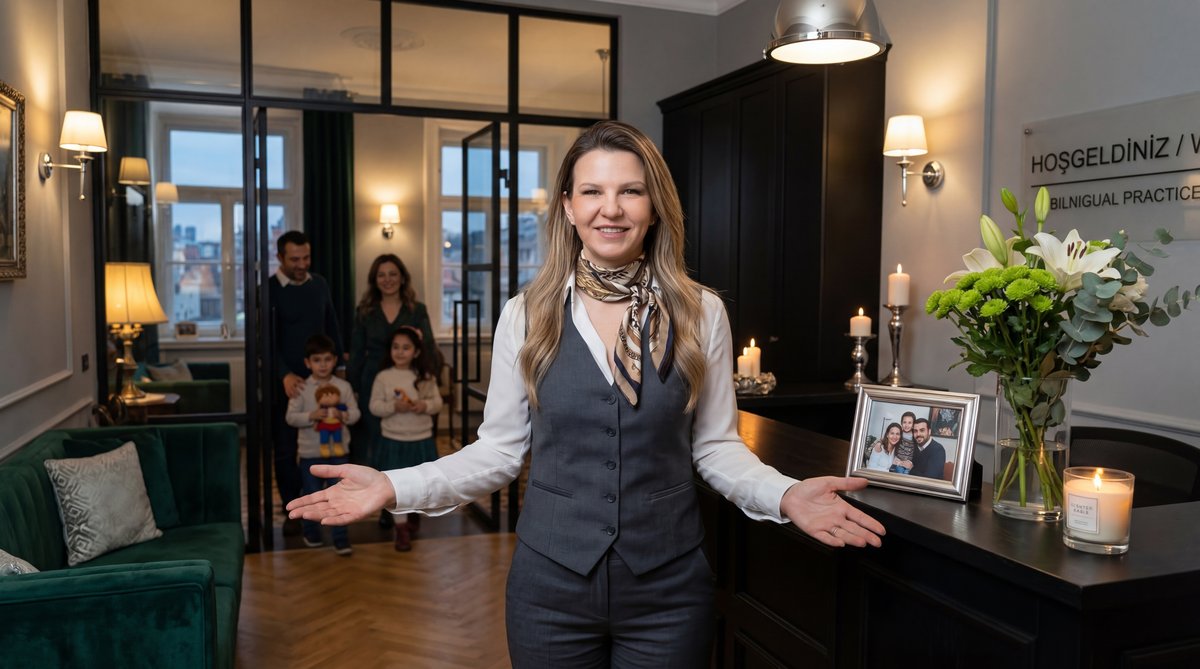
Houston is a diverse metropolis with a world-class medical center, yet finding niche language providers can still feel like searching for a needle in a haystack. For the Turkish community, connecting with a board-certified physician who shares their cultural and linguistic background is a game-changer. Dr. Vuslat Muslu Erdem, a board-certified Internal Medicine physician at Kelsey-Seybold Clinic’s Fort Bend Campus, serves exactly this need. Having a primary care doctor who understands not just the language, but the cultural context of the patient's life, significantly improves the quality of care.
When searching for providers, families often resort to typing 'Turkish medical translator Houston' into search engines, hoping to find assistance. A better approach is to look for physicians who list Turkish as a fluent language on institutional directories. In the case of Dr. Erdem, her education in Turkey combined with her US board certification bridges the gap between the Turkish medical system patients may be used to and the American healthcare model. She can explain the differences in preventive care standards—such as why certain cancer screenings are done earlier or more frequently in the US compared to Turkey—in a way that makes sense to the patient.
It is important to note that Dr. Erdem practices within the Kelsey-Seybold Clinic system. This institutional backing ensures that patients have access to state-of-the-art facilities, electronic medical records, and a vast network of specialists. When a Turkish-speaking primary care physician is the entry point, they can act as an advocate, writing detailed notes for specialists and helping to coordinate care even when the specialist does not speak Turkish. This continuity of care is essential for managing chronic conditions prevalent in the community.
- Search hospital and clinic directories for 'Languages Spoken'.
- Utilize community word-of-mouth and local Turkish cultural associations.
- Prioritize board-certified physicians for the highest standard of care.
- Look for providers who understand both Turkish and American medical systems.
The Value of Cultural Competency
Beyond language, a Turkish-speaking physician understands cultural nuances such as fasting during Ramadan, the dietary significance of bread and tea, and traditional attitudes toward medicine. This allows for realistic lifestyle counseling that respects the patient's heritage while promoting health.

Preparing for Medical Appointments: A Checklist for Caregivers
Preparation is key to a successful medical visit, especially when language barriers are a concern. Even with a Turkish-speaking physician, gathering and organizing medical history is crucial. Adult children should compile a comprehensive 'medical resume' for their parents. This includes a list of all current medications. A common challenge is that parents may be taking medications brought from Turkey. These often have different brand names than their US counterparts (e.g., 'Coraspin' for Aspirin, or 'Beloc' for Metoprolol). Caregivers should bring the actual boxes or a list of generic names and dosages to the appointment so the physician can record them accurately in the US medical record.
Additionally, obtaining past medical records is essential. If parents have had surgeries or major treatments in Turkey, having those reports translated—or at least having the key dates and procedure names available—helps the physician build an accurate timeline. It is not necessary to pay for an expensive official translation for every single page if you are seeing a Turkish-speaking physician like Dr. Erdem, as she can review the Turkish documents directly. However, for specialists who do not speak the language, certified summaries may be required.
Finally, write down symptoms and questions in advance. Turkish patients often prioritize being 'polite' and may not want to 'bother' the doctor with too many complaints. By listing concerns beforehand, caregivers ensure that nothing is overlooked. It is also helpful to discuss with the parent beforehand what will be shared, ensuring they are comfortable with the level of disclosure. To learn more about the scope of care provided, families can review the available medical services offered at the clinic.
- List all medications (US and Turkish brands) with dosages.
- Bring past medical records, labs, and imaging reports from Turkey.
- Write down a timeline of symptoms and current complaints.
- Discuss patient privacy preferences before the visit.
Navigating Insurance and Referrals
Understanding US health insurance is difficult for native speakers, let alone recent immigrants. Caregivers should ensure that the physician is in-network and understand the referral process for specialists. At Kelsey-Seybold, for example, the coordination between departments is streamlined, which simplifies the administrative burden on the family.
Legal Rights and Professional Interpretation Services
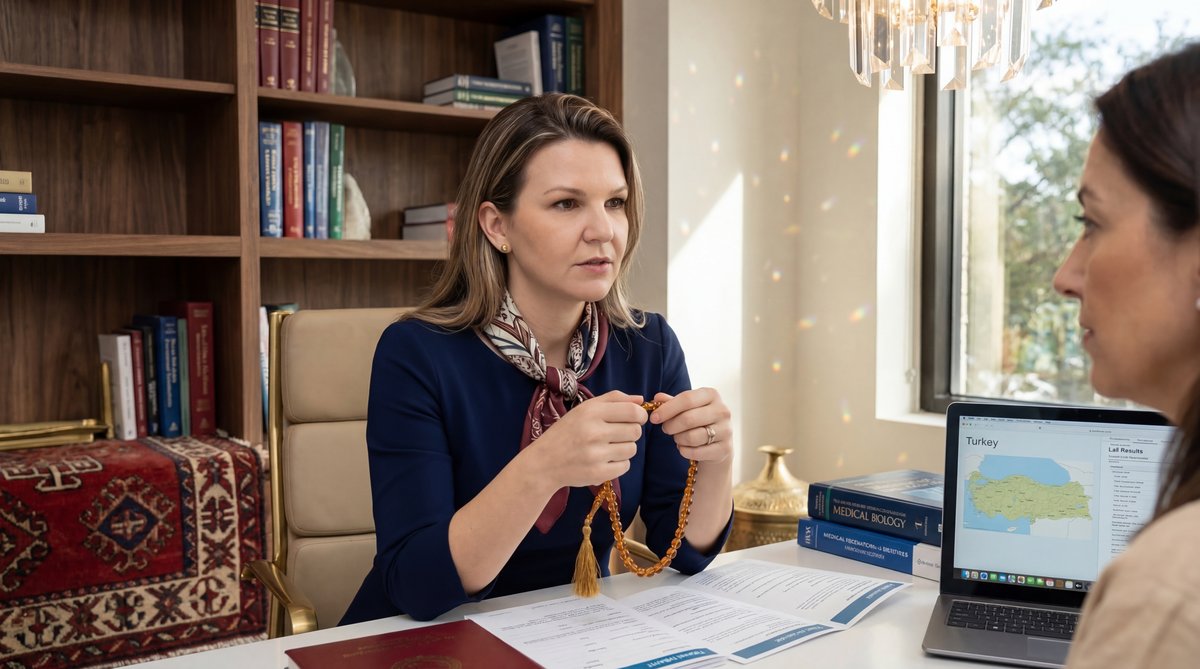
For visits to specialists, emergency rooms, or hospitals where a Turkish-speaking physician is not available, families must understand their legal rights. Under Title VI of the Civil Rights Act of 1964, healthcare providers receiving federal funding (which includes nearly all hospitals and clinics accepting Medicare/Medicaid) are required to provide language access services. This means patients have a right to a professional interpreter at no cost to them. This is where the keyword 'Turkish medical translator Houston' often leads families to private services, but in a hospital setting, the facility is responsible for providing this.
Caregivers should feel empowered to request these services. It is not an inconvenience; it is a right. Hospitals typically use Video Remote Interpreting (VRI) or telephone services like the Language Line, which connect to certified medical interpreters instantly. While not as personal as an in-person doctor, these interpreters are bound by strict codes of ethics and confidentiality. They ensure that informed consent is truly 'informed'.
However, there is a nuance to consider. While VRI is legally sufficient, it can be impersonal and technically glitchy. This reinforces the value of establishing care with a physician who speaks the language directly for primary management. That physician can then act as a quarterback, explaining the specialist's findings in Turkish during follow-up visits, ensuring the patient fully understands the broader picture. If you need to schedule an appointment to discuss a complex care plan, having that direct linguistic link is invaluable.
- Patients have a federal right to free interpreter services in most healthcare settings.
- Professional interpreters are neutral and medically trained.
- Video and phone interpretation are standard in hospitals.
- Primary care physicians can help interpret specialist findings later.
HIPAA and Family Involvement
In the US, privacy laws (HIPAA) prevent doctors from discussing a patient's care with family members unless specific permission is granted. Turkish culture acts more collectively, where families often expect to manage the care together. It is essential to have the parent sign a HIPAA release form designating their children as authorized representatives. This allows the children to discuss test results, billing, and appointments with the care team.
Addressing Common Health Issues in the Turkish Community
Culturally competent care involves understanding the specific epidemiology and lifestyle factors of the population. In the Turkish community, there is a high prevalence of metabolic syndrome, including diabetes, hypertension, and hyperlipidemia, often exacerbated by a diet rich in carbohydrates (bread, pastries) and animal fats. A generic advice to 'eat healthy' may not resonate. A physician who understands Turkish cuisine can give specific, actionable advice: suggesting bulgur instead of white rice, reducing the oil in vegetable dishes (zeytinyağlılar), or moderating the consumption of high-sugar fruits like grapes and figs.
Vitamin D deficiency is another common issue, particularly among Turkish women who may dress modestly or spend significant time indoors. Screening for this, along with thyroid disorders which are also prevalent in the region, is part of a tailored approach to internal medicine. Furthermore, mental health is often stigmatized in Turkish culture. Patients may manifest depression or anxiety as physical symptoms (somatization), complaining of headaches or fatigue rather than sadness. A physician attuned to these cultural presentations can screen for underlying mental health issues with sensitivity and discretion, offering treatment options that frame the issue in a medically acceptable way to the patient.
Preventive care is also a major focus. In Turkey, healthcare is often reactive—going to the doctor only when sick. The US model emphasizes proactive screening (mammograms, colonoscopies). Educating parents on why these tests are necessary when they 'feel fine' is a significant hurdle that is best overcome by a trusted, Turkish-speaking doctor who can explain the logic in their own language. For more insights on health topics, families can read the health blog.
- Tailored dietary advice based on Turkish cuisine.
- Screening for Vitamin D deficiency and thyroid disorders.
- Recognizing somatic presentation of mental health issues.
- Shifting the mindset from reactive to preventive care.
The Role of Medications
Turkish patients may be accustomed to being able to buy many medications over the counter (OTC) in Turkey that require a prescription in the US (like antibiotics). Explaining antibiotic stewardship and the strict regulations on prescriptions is another area where clear communication is required to avoid frustration.
Empowerment Through Advocacy
Ultimately, helping Turkish parents navigate the Houston healthcare system is an act of advocacy. It requires patience, organization, and the right resources. By establishing a medical home with a Turkish-speaking internist, ensuring legal paperwork for proxy access is in place, and educating parents on the preventive nature of American medicine, caregivers can ensure their loved ones age with dignity and health. It is not just about translation; it is about ensuring that the parents' values and voice are heard in the medical decision-making process. The goal is to move from a state of dependency and confusion to one of informed participation in their own healthcare journey.
- Establish a 'medical home' with a bilingual provider.
- Organize legal and medical documents early.
- Educate parents on US healthcare norms.
- Advocate for professional interpretation when necessary.

Conclusion
Navigating the US healthcare system is complex, but for Turkish families in Houston, the barrier of language need not be an insurmountable wall. By leveraging the expertise of Turkish-speaking physicians and understanding the rights to language access, families can secure high-quality care for their elders.
Ensuring that parents are heard, understood, and respected in their medical care is the greatest gift a child can give. With the right support team, including board-certified bilingual physicians, peace of mind is attainable.
If you are looking for compassionate, culturally competent care for your parents, encourage them to speak with a board-certified physician who understands their language and their needs.
Frequently Asked Questions
Is there a Turkish-speaking doctor in Houston?
Yes, Dr. Vuslat Muslu Erdem is a board-certified Internal Medicine physician who speaks fluent Turkish. She sees patients at the Kelsey-Seybold Clinic, Fort Bend Campus in Sugar Land, Texas.
Can I translate for my parents during their doctor appointment?
While family members can provide comfort, it is generally recommended to use a professional medical interpreter or a bilingual physician to ensure medical accuracy. Family members may inadvertently mistranslate complex medical terms or filter information.
How do I transfer my parent's medical records from Turkey?
You should bring the physical records, reports, and imaging discs to the appointment. If you are seeing a Turkish-speaking physician like Dr. Erdem, she can often review the records directly. For other specialists, you may need a certified translation of key documents.
Does Medicare cover medical interpreters?
Hospitals and facilities receiving federal funds (including those accepting Medicare) are required by law to provide language access services, including interpreters, at no cost to the patient.
What if my parent's Turkish medication is not available in the US?
A US physician cannot prescribe a foreign brand name, but they can prescribe the FDA-approved generic equivalent or a therapeutic alternative. It is helpful to bring the box of the Turkish medication so the doctor can identify the active ingredients.
Bu makale yalnizca bilgilendirme amaciyla yazilmistir ve tibbi tavsiye yerine gecmez. Tani ve tedavi onerileri icin her zaman nitelikli bir saglik hizmeti saglayicisina danisin. / This article is for informational purposes only. Always consult a qualified healthcare provider.