Preventive Care for the Turkish-American Community in Houston
By drvadmin
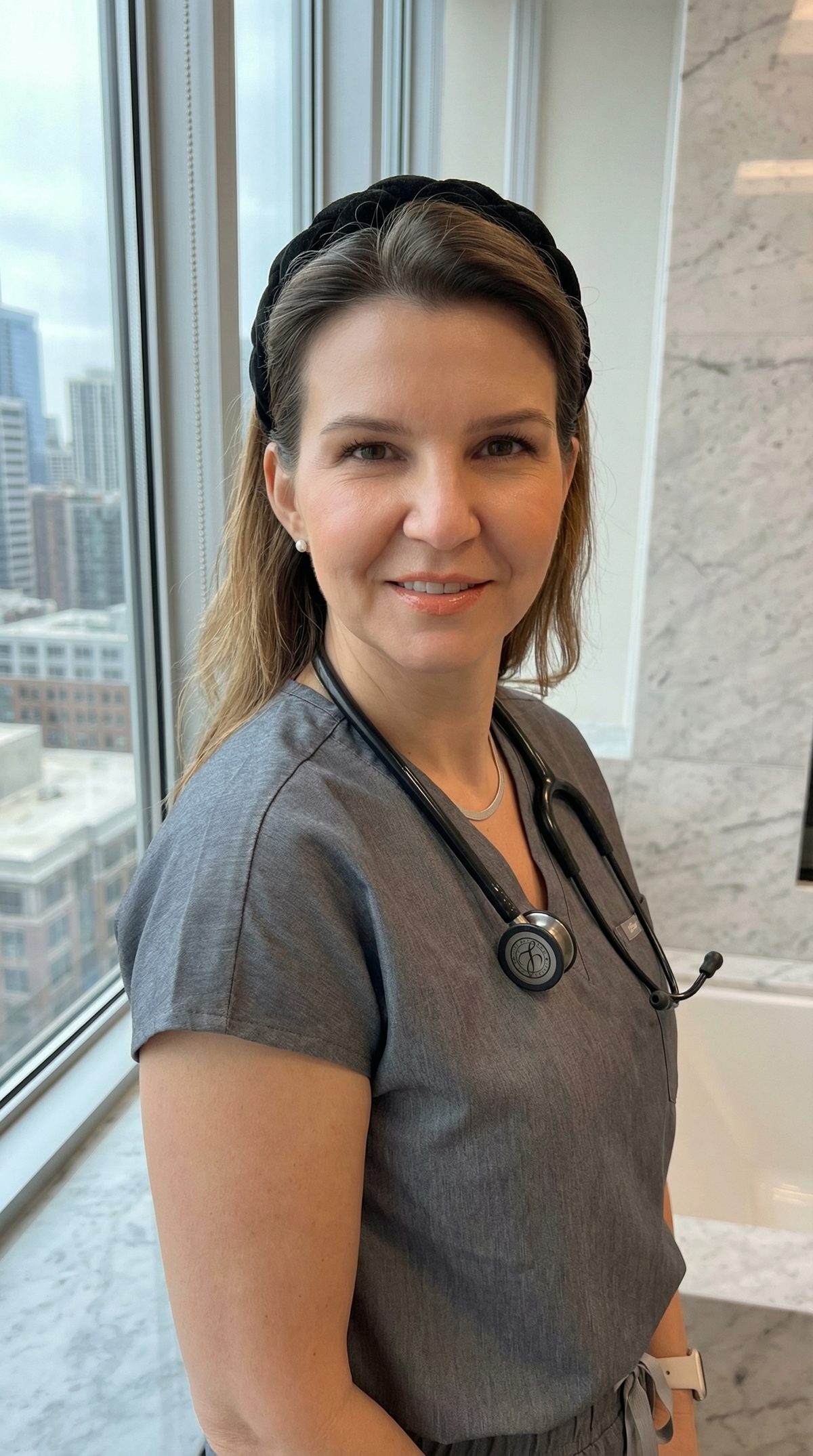
Maintaining long-term health requires more than treating illness when it arises; it demands a proactive approach to wellness. For the Turkish-American community in Texas, finding a physician who not only speaks the language but understands the cultural nuances of lifestyle, diet, and family dynamics makes preventive care far more effective. A Turkish-Speaking Doctor in Houston ensures that patients receive clear guidance and compassionate care tailored to their specific background.
At Kelsey-Seybold Clinic in Sugar Land, Dr. Vuslat Muslu Erdem (Dr. V) combines board-certified Internal Medicine expertise with the cultural understanding that helps Turkish-American patients embrace preventive health with confidence. In the United States, the medical philosophy emphasizes maintenance just as much as repair. By prioritizing regular checkups and evidence-based screenings, you can detect potential health issues early — often before symptoms ever appear.
The Cultural Connection to Health
Medicine is not just biology; it is deeply personal and cultural. When you visit a doctor who shares your background, the conversation changes. You do not just talk about blood pressure numbers; you talk about how much tuz (salt) is in the peynir you eat every morning. You discuss how difficult it is to say “no” when a host offers a second serving of borek or baklava.
Understanding these cultural touchpoints allows for realistic, sustainable health plans. Generic advice like “stop eating bread” rarely works for someone raised on Mediterranean cuisine. A Turkish-Speaking Doctor in Houston can help you navigate portion control, suggest alternatives, and modify traditional recipes to protect your heart and waistline without sacrificing the flavors of home.
Bridging Two Healthcare Systems
Many Turkish patients are accustomed to visiting the doctor only when they are sick. In the Turkish system, you might walk directly into a specialist’s office for a specific ailment. In the United States, the Internal Medicine physician serves as the primary care coordinator — the physician who manages your overall health, tracks your history over time, notices subtle changes in your lab work from year to year, and refers you to specialists when needed.
Establishing a relationship with a primary care doctor is the foundation of preventive care. This shift in approach — from reactive to proactive — is one of the most important health habits Turkish-Americans can adopt.
What Preventive Care Includes
Preventive care consists of healthcare services designed to prevent illness, detect disease early, and promote overall wellness. According to the U.S. Preventive Services Task Force (USPSTF), these services include screenings, immunizations, counseling, and health assessments.
The Annual Wellness Exam
The centerpiece of preventive care is the annual physical. This is not a visit for when you have the flu or a twisted ankle. It is dedicated time to review your:
- Family History: Updating records on heart disease, cancer, or diabetes in your lineage
- Vitals: Checking blood pressure, heart rate, and BMI
- Medications: Reviewing dosages and potential interactions
- Lifestyle: Discussing stress, sleep, diet, and exercise
For Dr. V’s patients at the Fort Bend Campus, this visit is an opportunity to create a health roadmap for the coming year.
Essential Screenings for Adults
Guidelines for screenings change based on age, gender, and risk factors. Dr. V adheres to the evidence-based standards set by the USPSTF. Here is what you need to know.
Cardiovascular Health
Heart disease remains a leading cause of death globally, and the Turkish community sees notable rates of hypertension and high cholesterol.
- Blood Pressure: Should be checked at every visit. Hypertension is often called the “silent killer” because it presents no obvious symptoms until significant damage has occurred.
- Cholesterol (Lipid Panel): Regular screening typically begins at age 20 or 35 depending on risk factors.
- Diabetes Screening: With Type 2 diabetes prevalence rising, checking A1c levels is critical, especially if you are overweight or have a family history. Current guidelines recommend screening beginning at age 35, but your doctor may advise earlier testing based on risk factors.
Cancer Screenings
Early detection saves lives. These are the general guidelines, though your personal history may require earlier intervention:
- Colon Cancer: Screening begins at age 45. A colonoscopy or stool-based test can detect precancerous polyps.
- Breast Cancer: Women should discuss mammograms starting at age 40, with routine screening typically recommended biennially from age 50 to 74.
- Cervical Cancer: Pap smears are recommended for women aged 21 to 65.
- Prostate Cancer: Men should discuss PSA testing starting at age 50 (or 45 for higher risk).
- Lung Cancer: If you have a significant smoking history and are between 50 and 80, a low-dose CT scan may be recommended.
Health Concerns Specific to the Turkish Community
The “Tea and Pastry” Factor
Turkish hospitality is legendary, but it is often high in carbohydrates. A breakfast of white bread, jams, and pastries, followed by tea with sugar throughout the day, can affect blood sugar levels significantly.
Dr. V works on “swaps” rather than bans. Can you switch to whole grains? Can you reduce the sugar cubes in the cay? Can you increase the olive oil and vegetables — the healthiest part of the Mediterranean diet — while moderating portions of red meat and white bread? These realistic adjustments are far more sustainable than dramatic dietary overhauls.
Smoking Cessation
Tobacco use, whether cigarettes or hookah (nargile), remains a concern in parts of the Turkish community. The cardiovascular and respiratory risks are severe. Dr. V provides a judgment-free environment to discuss cessation strategies, including medications and counseling, whenever the patient is ready to take that step.
Vitamin D Deficiency
Despite coming from a sunny country, many Turkish individuals suffer from Vitamin D deficiency, which can lead to fatigue, bone pain, and mood shifts. A simple blood test during your annual exam can determine whether supplementation is needed.
Mental Health
Preventive care is holistic. Emotional well-being is linked to physical health, and screening for depression and anxiety is a standard part of the wellness visit. Dr. V creates a safe space to discuss stress, life changes, homesickness, and emotional challenges — all topics that may be difficult to address in a non-native language.
Immunizations: Your Shield Against Preventable Illness
Vaccines are one of the most effective preventive tools available. Adult immunization needs vary by age, health conditions, and lifestyle. Key vaccines include:
- Seasonal Influenza: Recommended annually for everyone 6 months and older.
- COVID-19: Stay up-to-date with recommended booster doses.
- Tdap/Td: A one-time Tdap booster for pertussis, followed by a Td booster every 10 years.
- Pneumococcal: For adults 65 and older, or younger adults with certain chronic conditions.
- Shingles (Herpes Zoster): Recommended for adults 50 and older.
- Hepatitis A and B: Based on risk factors, travel, or medical conditions.
Dr. V reviews your vaccine history at each visit, ensuring you are protected against vaccine-preventable diseases.
Making the Most of Your Appointment
Preparation is key to a productive visit. When you come to see Dr. V at the Kelsey-Seybold Fort Bend Campus, bring the following:
1. Current Medication List: Include names and dosages of everything you take, including vitamins and supplements brought from Turkey.
2. Past Medical Records: If you have records from Turkey or other US doctors, bring them. Dr. V can read Turkish-language records directly.
3. Vaccination History: Ensure you are up to date on all recommended immunizations.
4. A List of Questions: Write them down so nothing is forgotten during the visit.
5. Your Family Health History: Talk to your relatives about any chronic conditions before your appointment. This helps Dr. V assess your risk factors accurately.
Your Health Is Your Most Valuable Asset
Preventive care is not about looking for problems; it is about ensuring you have the vitality to enjoy your life, your family, and your community. Whether you need management for a chronic condition like hypertension, a strategy for weight management, or simply a yearly check-up to ensure everything is on track, Dr. V is here to help.
She is currently welcoming new patients at the Kelsey-Seybold Clinic in Sugar Land. Both in-person and virtual visit options are available.
Dr. Vuslat Muslu Erdem, MD
Board Certified in Internal Medicine
Location: Kelsey-Seybold Clinic — Fort Bend Campus
11555 University Blvd., Sugar Land, TX 77478
Phone: (713) 442-9100
—
Medical Disclaimer: This article is for informational purposes only and does not constitute medical advice. Always consult with a qualified healthcare provider for personalized medical guidance. To schedule an appointment with Dr. Vuslat Muslu Erdem, call (713) 442-9100.