Turkish-Speaking Doctor in Houston: Why Language Matters in Healthcare
By drvadmin
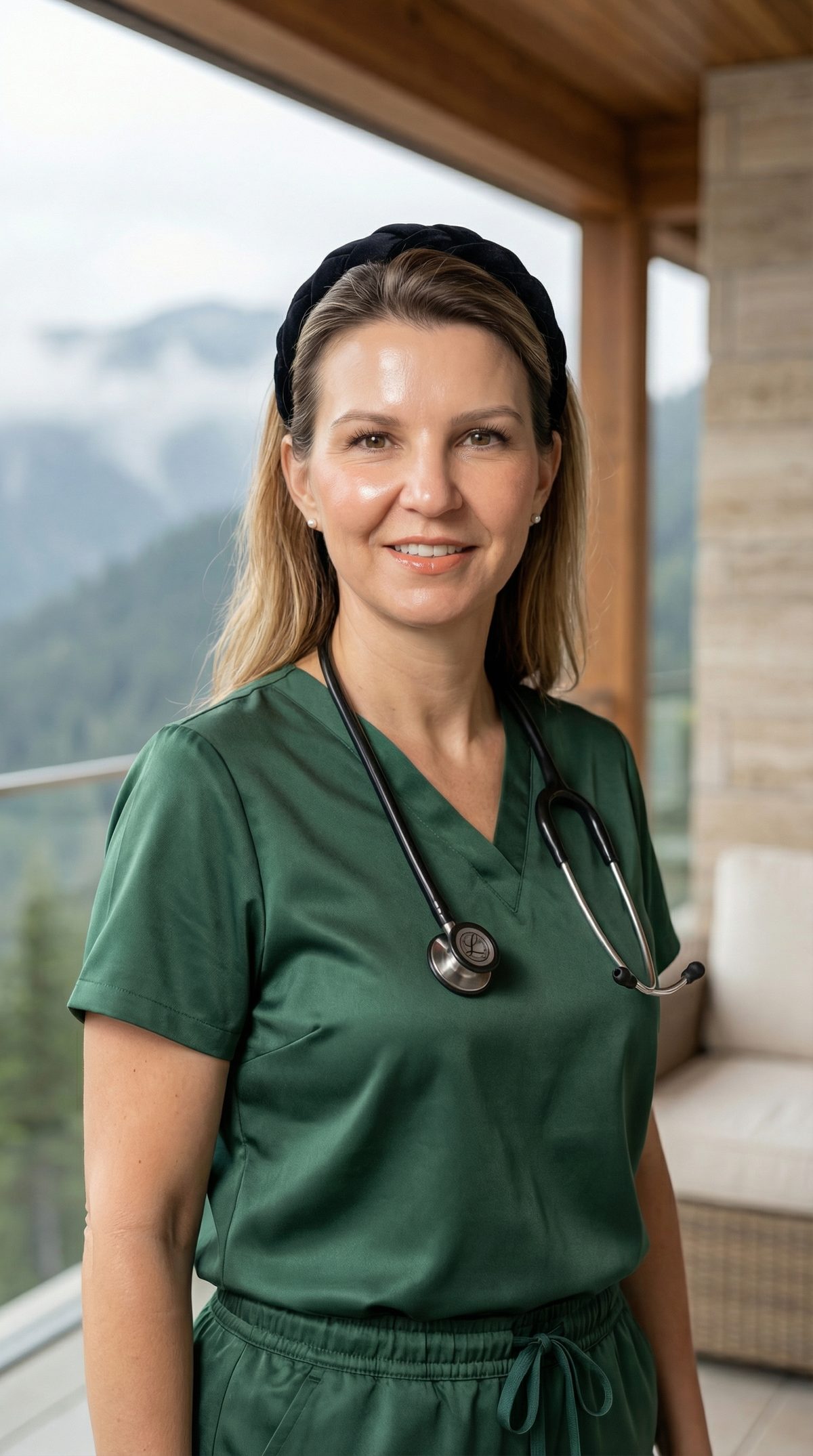
Healthcare is fundamentally about connection. When you walk into an exam room, you are entrusting someone with your well-being, your history, and your fears. For many patients in the Greater Houston area, this exchange is complicated by a significant hurdle: language. Effective communication forms the backbone of accurate diagnosis and successful treatment. When patients can speak freely in their native tongue, the quality of care improves in measurable ways. Finding a Turkish-Speaking Doctor in Houston is not simply about convenience; it is a critical component of health safety and peace of mind.
Houston is one of the most linguistically diverse cities in the United States, with over 145 languages spoken across the metro area. While this cultural richness makes the city vibrant, it creates unique challenges in medical settings. When you are feeling vulnerable, sick, or anxious, the ability to express yourself in your mother tongue is not just a comfort — it is a clinical necessity.
Dr. Vuslat Muslu Erdem, known to her patients as Dr. V, understands that clear communication is the foundation of internal medicine. Based at the Kelsey-Seybold Clinic in Sugar Land, Dr. V brings world-class medical expertise combined with the linguistic nuance necessary to treat the whole patient.
The Science Behind Language-Concordant Care
In medical literature, when a physician and patient share the same native language, it is referred to as “language-concordant care.” This is not merely a matter of preference; it is a critical component of health equity and patient safety.
Research published in Frontiers in Public Health analyzed over 50 studies and found that physician-patient language concordance was significantly associated with better clinical outcomes, particularly in managing chronic conditions like diabetes and mental health. When patients can speak freely without filtering their thoughts through a translator, they are more likely to disclose sensitive information, adhere to medication regimens, and follow up on treatment plans.
Conversely, language barriers are consistently associated with lower quality of care, longer hospital stays, and higher rates of hospital readmissions. When a patient nods in agreement but does not fully grasp post-discharge instructions, the risk of complications rises sharply.
The Risks of Language Barriers
When a patient cannot communicate directly with their provider, the potential for error increases significantly. A language barrier is not simply an inconvenience; it is a clinical risk factor. Consider the nuance of describing pain. In English, a patient might struggle to differentiate between “throbbing,” “stabbing,” or “dull” if it is not their first language. In Turkish, the descriptors for pain — zonklama, batma, sizi — carry specific implications that a native speaker understands intuitively. If these subtleties are lost, a physician might order the wrong test or prescribe a less effective medication.
Beyond clinical errors, language discordance affects the psychological dimension of healing. Patients often experience heightened anxiety and distrust when they cannot fully express themselves. This emotional strain can discourage individuals from seeking care until a condition becomes severe.
Why Electronic Translators Are Not Enough
In an era of smartphones and AI, many patients assume that tools like Google Translate are sufficient for medical visits. While technology has advanced, it remains dangerously imperfect for healthcare. One analysis of medical phrases found that Google Translate showed an overall accuracy of only 57.7 percent, with severe misinterpretations in critical situations.
Furthermore, using a third-party human interpreter — whether in-person or via a tablet — introduces a layer of discomfort. Patients may withhold embarrassing but medically relevant details because they do not want to share them with a stranger. By choosing a Turkish-Speaking Doctor in Houston like Dr. V, you eliminate the intermediary entirely, ensuring your privacy is respected and your concerns are heard directly.
Cultural Competence: Beyond Vocabulary
Language is deeply intertwined with culture. A Turkish-speaking physician does more than translate words; she translates lifestyle and culture into a medical plan that works.
Dietary Management
For patients managing conditions like high blood pressure or high cholesterol, standard American dietary advice may not always resonate. A physician unfamiliar with Turkish cuisine might simply say “avoid salty foods.” Dr. V understands the specific role of ingredients like salca (tomato paste), beyaz peynir (white cheese), and tursu (pickles) in a traditional diet. She can provide tailored advice on how to enjoy traditional flavors while maintaining heart health, rather than issuing generic guidelines that are difficult to follow.
Family Dynamics and Care
In many Turkish families, healthcare is a communal affair. Decisions regarding surgery, elderly care, or chronic disease management often involve spouses and children. A culturally competent physician respects these dynamics and knows how to communicate effectively with family members while maintaining patient autonomy and confidentiality.
Religious and Cultural Observances
Ramadan fasting can have a significant impact on medication timing and blood sugar management for diabetic patients. A physician who understands these cultural pillars can adjust dosing schedules and provide safety guidelines, ensuring patients do not have to choose between their health and their beliefs.
Meet Dr. Vuslat Muslu Erdem
Dr. V earned her medical degree from Uludag University Medical School in Bursa, Turkey. She later completed her Internal Medicine residency at the Albert Einstein College of Medicine, Montefiore Medical Center in New York, where she was recognized for her contributions to quality improvement in healthcare delivery, including the Philip Lief, MD, Quality Improvement Program Award.
Since joining Kelsey-Seybold Clinic in 2024, Dr. V has focused on managing chronic illnesses such as diabetes and hypertension, treating infectious diseases, and providing comprehensive preventive care. She is board-certified by the American Board of Internal Medicine. Her background allows her to interpret not just the language of her Turkish patients, but their medical history and cultural context as well.
The Impact on Chronic Disease Management
Internal medicine focuses heavily on the prevention and long-term management of chronic conditions. This is where the physician-patient relationship is most critical. Conditions like diabetes, hypertension, and thyroid disorders require sustained partnership. If a patient feels misunderstood or judged due to a language barrier, they are less likely to return for follow-up visits. This leads to “care gaps” where conditions worsen unnoticed.
By seeing Dr. Vuslat Muslu Erdem, patients can engage in complex discussions about:
- Side Effects: Clearly articulating how a medication makes you feel without searching for the right English word.
- Mental Health: Discussing anxiety or depression, which are often stigmatized or difficult to translate, in a safe, native-language environment.
- Preventive Screenings: Understanding exactly why a colonoscopy or mammogram is necessary, clearing up misconceptions that may exist within the community.
Practical Advice for Your Appointment
Being prepared helps you get the most out of your medical care, regardless of language.
1. Bring Your Records: If you have medical records from Turkey, bring them. Dr. V can read Turkish-language reports directly, saving you the time and cost of official translation.
2. List Your Medications: Include both prescription drugs and any herbal supplements common in Turkish households, as these can interact with medications. Bring the actual bottles if possible, since brand names differ between Turkey and the US.
3. Write Down Your Symptoms: Before the appointment, note what you are feeling, when it started, and what makes it better or worse. Be specific about patterns.
4. Ask Questions: Never leave the office unsure of what to do next. If Dr. V is your primary care physician and you need to see a non-Turkish-speaking specialist, she can help coordinate your care so nothing gets lost in translation.
Your Health Deserves Clear Communication
Your health is your most valuable asset, and preserving it requires clear, honest, and precise communication. For the Turkish community in Houston and Sugar Land, the search for a compassionate, skilled, and culturally aware physician ends here. You no longer have to struggle to find the right words to describe your health. You can speak freely, be understood, and receive top-tier medical care.
Dr. V is currently welcoming new patients at the Kelsey-Seybold Fort Bend Campus in Sugar Land. Whether you need a routine physical, management for a chronic condition, or a sick visit, do not let a language barrier stand in the way of your well-being.
Dr. Vuslat Muslu Erdem, MD
Board Certified, Internal Medicine
Location: Kelsey-Seybold Clinic — Fort Bend Campus
11555 University Blvd., Sugar Land, TX 77478
Phone: (713) 442-9100
—
Medical Disclaimer: This article is for informational purposes only and does not constitute medical advice. Always consult with a qualified healthcare provider for personalized medical guidance. To schedule an appointment with Dr. Vuslat Muslu Erdem, call (713) 442-9100.